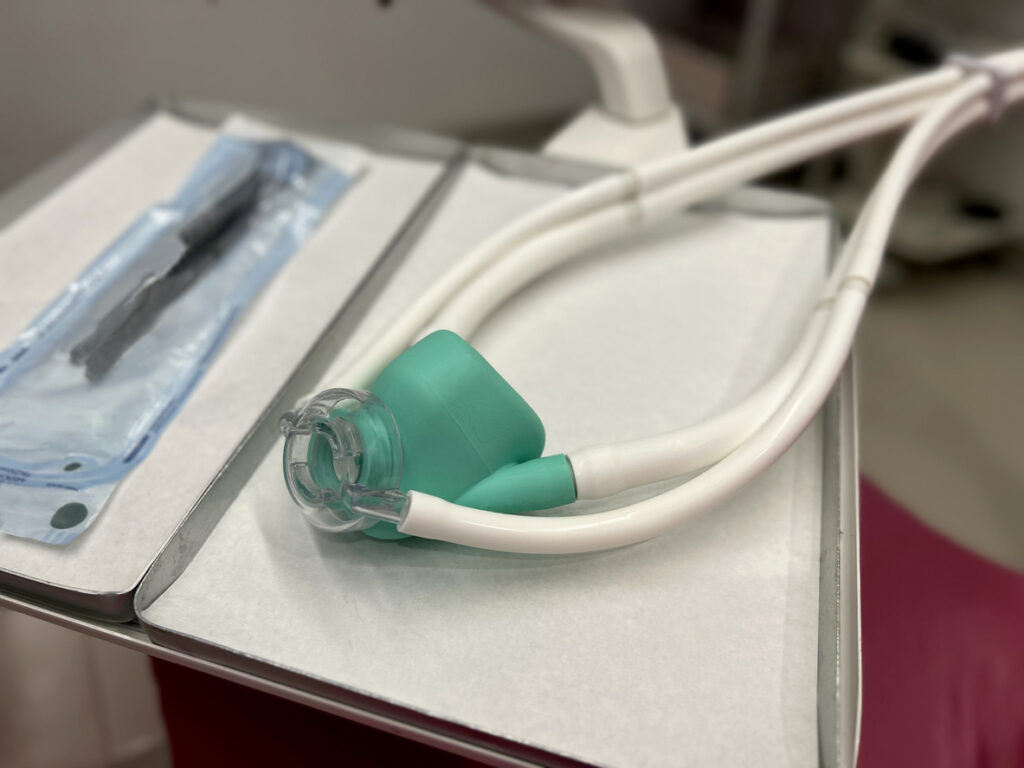
Dental sedation is not a truth serum. While medications like nitrous oxide and oral conscious sedatives deeply relax your central nervous system and lower inhibitions, you retain complete conscious control over your thoughts. You will not accidentally reveal deep personal secrets during your dental procedure.
Why "Type-A" Personalities Fear Sedation
Medical evidence suggests that dental anxiety, or dental fear, is estimated to affect approximately 36% of the population [1] (Beaton et al., 2014). If you are a “Type-A” personality, you are used to being the one in charge. For highly independent people, the mere concept of sedation feels incredibly unnatural because it requires you to temporarily delegate control. Utilizing dental sedation is a highly strategic decision. Instead of wasting energy fighting a biological panic response in the dental chair, you are leveraging modern pharmacology to complete the procedure efficiently. You dictate the treatment plan, you choose the sedation level, and you approve the costs before the appointment begins. By the time the medication takes effect, your work is already complete.
Protecting Your Professional Image
A major concern for professionals is the post-sedation effects. You might worry that you will say something inappropriate in a morning Zoom meeting or act completely out of character the day after your procedure. Fortunately, modern dental sedatives at Azalea Dental are highly predictable. When you choose oral conscious sedation, the medication actively suppresses your nervous system for about 4 to 6 hours. While you will need to spend the rest of your afternoon resting on the couch, your liver is working hard to completely clear the medication from your bloodstream. By the time you wake up the next morning, the grogginess and lowered inhibitions are resolved. You will return to your office with a clear head, sharp judgment, and your professional dignity completely intact.
Table that compares comfort and control options
Sedation category | Cost | Length of effect | Prep and recovery | Cognitive control level |
Nitrous oxide | Low | Wears off in 5 minutes | Very low | 100% control |
Oral conscious sedation | Moderate | 4 – 6 hours | High | High control |
IV sedation | High | 6 – 8 hours | Very high | Low control |
How Our Clinical Team Supports You
Even when you know the truth serum myth is false, you might still feel slightly embarrassed about acting sleepy, sluggish, or emotionally unguarded in front of strangers. At Azalea Dental, our clinical team treats sedation appointments with the utmost medical professionalism and empathy. If you happen to snore a little bit, repeat the same question twice, or shed a tear of relief because your anxiety is finally gone, we do not judge. We view these reactions as signs that the medication is working correctly to keep you comfortable. Our treatment rooms are private, quiet, and secure. Your vulnerability is met with absolute respect, and your privacy is fiercely protected from the moment you walk in until your designated driver takes you home.
The Psychology of the Amnesic Effect
Medical literature supports that oral conscious sedation with midazolam causes anterograde amnesia [2] (Bean et al., 2023). This simply means the medication temporarily prevents your brain from forming new short-term memories. For some patients, the idea of amnesia feels slightly unsettling. However, from a psychological standpoint, this amnesic effect is an important clinical tool. Dental anxiety is a learned response, usually triggered by a painful or scary memory from childhood. The amnesic effect breaks this toxic cycle. You receive the vital restorative care you need, but your brain never records the sound of the drill, the bright lights, or the pressure of the procedure. By preventing the formation of new traumatic memories, you actively cure your dental phobia for the future.
Reframing Sedation
Ignoring microscopic cavities or early gum disease ultimately leads to severe toothaches and emergency surgeries. In those crisis moments, you truly lose control over your schedule, your budget, and your comfort. Choosing dental sedation flips the script. It is a proactive tool that puts you back in the driver’s seat of your systemic health. By using a safe, temporary medication to bypass your anxiety, you can comfortably sit through biannual cleanings or necessary fillings on your own terms. Sedation dentistry is not about losing control of your mind; it is about taking permanent control of your smile, your confidence, and your overall well-being.
FAQS
1. Does laughing gas actually make you laugh uncontrollably?
No. “Laughing gas” is simply a nickname. While nitrous oxide induces a warm, euphoric feeling that might make you smile or feel lighthearted, it does not force you into fits of uncontrollable, hysterical laughter.
2. Will I accidentally post on social media while recovering from oral sedation?
While you will not spill your deepest secrets to our clinical team, your judgment will be groggy for a few hours after you return home. We highly recommend handing your smartphone to your designated driver or leaving it in another room while you “sleep off” the medication to prevent any accidental, sleepy text messages!
3. Do I need a chaperone in the room to protect my privacy?
You do not need to bring a chaperone into the clinical room. Our Wilmington team maintains strict medical professionalism and is highly trained in sedation protocols.
References
[1] Beaton, L., Freeman, R., & Humphris, G. (2014). Why are people afraid of the dentist? Observations and explanations. Medical principles and practice : international journal of the Kuwait University, Health Science Centre, 23(4), 295–301. https://doi.org/10.1159/000357223
[2] Bean T, Aruede G. Conscious Sedation in Dentistry. [Updated 2023 Apr 23]. In: StatPearls [Internet]. Treasure Island (FL): StatPearls Publishing; 2026 Jan-. Available from: https://www.ncbi.nlm.nih.gov/books/NBK592406/